Critics vs. Audience: Who Really Decides If a Movie Is Good?

Every time a new movie comes out, the same thing happens.
We open Rotten Tomatoes. We check the score. And then… we hesitate.
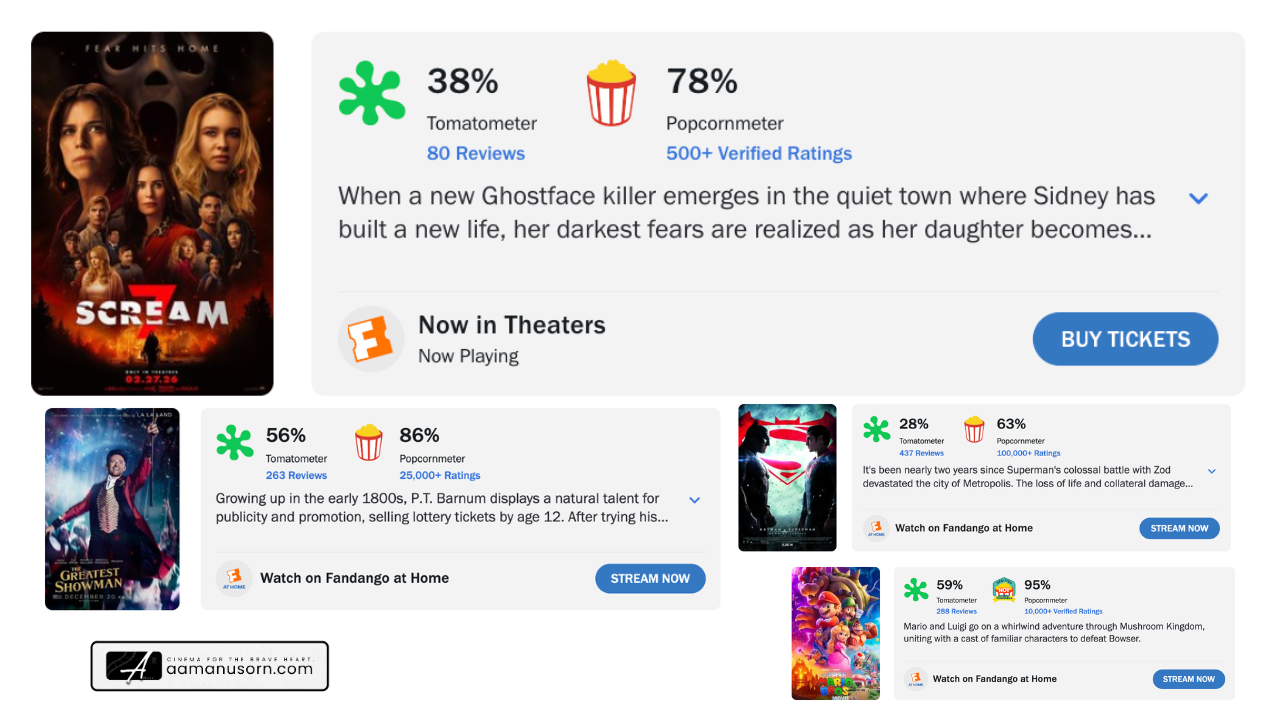
Take Scream 7 as a fresh example.
Critics gave it around 40%, while the audience score climbed to over 75%.
That’s not a small gap. That’s two completely different conversations happening at once.
So what does that actually mean?
Critics evaluate filmmaking craft — structure, originality, pacing, thematic depth.
Audiences respond to emotion — tension, nostalgia, fun, connection.
Sometimes critics say a movie lacks innovation.
But audiences? They just had a great time.
And here’s something even more important:
There are films that critics dismissed — yet they earned over $500 million at the box office worldwide. Massive commercial success. Packed theaters. Repeat viewers.
So if something makes half a billion dollars…
Can we really call it “bad”?
That’s where the word good becomes complicated.
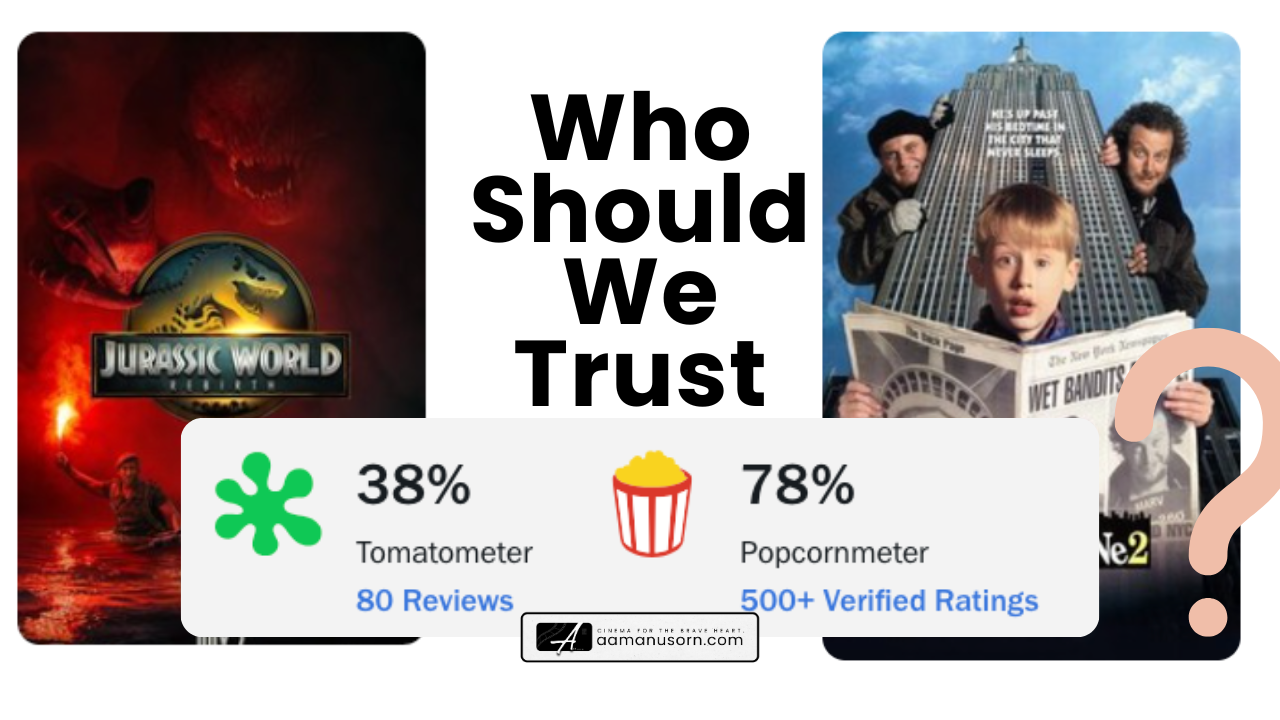
“Good” and “Bad” Aren’t Universal
Film isn’t math. It’s personal.
Your experience depends on:
Your mood that day
Your nostalgia
Your life experiences
The genre you love
Even who you watched it with
A movie that critics reject might connect deeply with you.
A film people online hate might click with you in a way you can’t explain.
And that connection? That’s real.
Box Office vs. Critical Approval
There’s a big difference between:
Critical acclaim
Audience enjoyment
Commercial success
They don’t always overlap.
Some films win awards and underperform financially.
Some films get panned — and still dominate the global box office.
That tells us something powerful:
Critics don’t control culture. Audiences do.
So Should We Ignore Critics?
Not completely.
Critics can be useful. They provide perspective. They highlight craft. They can warn you about weak storytelling.
But they are a guide — not a rulebook.
Don’t let a percentage decide your experience before you even sit down in the theater.
Because at the end of the day:
Movies deserve to be seen.
You deserve to decide.
And sometimes the film that “everyone hates” becomes the one you secretly love the most.
That’s the magic of cinema.
The only real verdict that matters?
The one you give when the credits roll.