When “Liberal” Stops Meaning Free…
A Reminder About Freedom, Choice, and the Culture of Boycotts
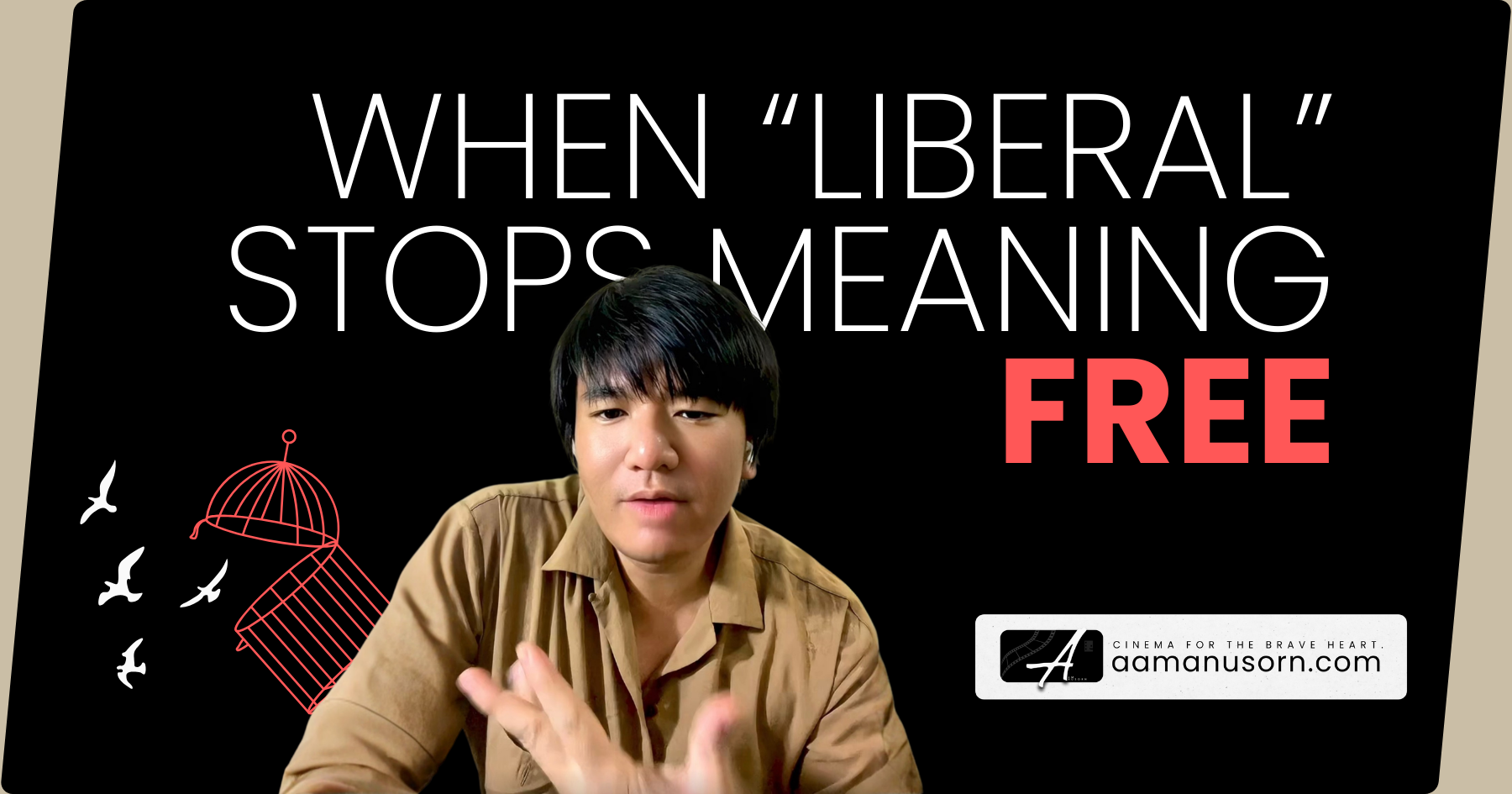
I am asking you a simple question…
When did being “liberal” stop meaning being free?
Because for many of us who grew up believing in liberal values, the word used to mean something powerful: freedom of speech, freedom of thought, freedom to disagree, freedom to challenge power, and freedom to live differently from others.
That idea of freedom is why many people like me proudly call ourselves liberal in the first place.
We believed in a world where people could speak openly—even when we didn’t like what they said.
We believed people could create art, make jokes, criticize systems, and express identities without fear of being silenced.
But lately, something feels… different.
When Protection Becomes Control…
Let’s be honest about something uncomfortable.
A growing part of modern progressive culture has become deeply focused on policing speech, canceling creators, and organizing boycotts over disagreements, and sometimes it goes beyond accountability.
Sometimes it becomes control.
If a movie makes a joke someone dislikes → boycott it.
If an actor says something controversial → cancel them.
If someone watches the movie anyway → label them a bad person.
That’s not conversation.
That’s social punishment.
And here’s the irony: many of the people doing this still call themselves “liberal.”
But censorship and ideological purity tests were never the foundation of liberalism.
Freedom was.
The Difference Between Harm and Discomfort
This is where an important distinction matters.
There is a difference between actual harm and personal discomfort.
Real harm includes things like:
violence
harassment
discrimination
abuse of power
systemic oppression
Those deserve to be challenged and fought against, but not every joke, movie, opinion, or piece of art is violent.
Sometimes it’s just something we don’t like, and in a free society, people are allowed to dislike things.
They’re also allowed to enjoy them.
Boycotts: A Tool That Became a Weapon
Historically, boycotts were used for serious political resistance.
Civil rights movements used boycotts against systems that oppressed people.
But today, boycotts often happen over symbolic cultural disagreements.
A joke in a comedy movie.
A celebrity not saying the “correct” thing online.
A fictional storyline.
Suddenly, the demand becomes:
“If you watch this, you’re a bad person.”
That’s not activism.
That’s moral intimidation.
And it creates a culture where people feel afraid to simply enjoy art or think independently.
Freedom Means People Will Choose Differently
One of the hardest truths about freedom is this:
People will make choices you don’t agree with.
Some people will watch the movie.
Some people will boycott it.
Some people won’t care at all.
And that’s okay.
Because freedom is not about forcing everyone to make the same moral choice.
Freedom is about allowing people to make different choices.
As long as those choices don’t directly harm others.
The Problem With Moral Superiority
Another problem with modern internet culture is the rise of moral performance.
People compete to prove they are the most ethical, the most aware, the most righteous.
But when morality becomes a performance, something dangerous happens:
People stop listening.
They stop discussing.
They start judging and labeling.
And once someone is labeled “bad,” dialogue ends.
That’s not progress.
That’s tribalism.
I’m Still Proud to Be “Woke”
Here’s the part that might surprise people.
I still call myself woke.
In fact, I’m proud to be part of what I call the first generation of woke.
The original idea of being woke was simple:
Be aware of injustice
Stand up for marginalized people
Challenge unfair systems
Support equality and human dignity
That spirit was about awareness and empathy, not censorship.
Being woke meant opening minds, not shutting people up.
Somewhere along the way, that spirit got distorted.
But the core idea is still worth protecting.
How to Survive in a “Woke” Internet World
If you feel confused by the current climate, here are a few reminders.
1. You are allowed to think independently
You don’t need permission from the internet to have an opinion.
2. Enjoying art does not define your morality
Watching a movie does not make you a bad person.
3. You can support justice without supporting censorship
You can care about human rights and still defend freedom of expression.
4. Disagreement is not violence
Healthy societies require disagreement.
5. Don’t let outrage culture control your mind
Social media amplifies anger because anger gets clicks.
That doesn’t mean it represents reality.
Freedom Is Messy — But It’s Worth It
A truly free society will always be messy.
People will say things we dislike.
Artists will create things we disagree with.
Movies will make jokes that don’t land for everyone.
But the alternative—silencing people, punishing disagreement, controlling culture—is far more dangerous.
Freedom means accepting that the world will never perfectly match our personal beliefs.
And that’s okay.
Because the beauty of freedom is this:
We all get to choose.
If you call yourself liberal, progressive, or woke, remember the foundation of those ideas.
Freedom.
Not just freedom for people who agree with you.
Freedom for everyone.
Even when it’s uncomfortable.
Even when it’s messy.
Even when someone else chooses to watch a movie you decided to boycott.
And honestly?
That’s the real test of whether we still believe in freedom at all.